
Understanding Balance Disorders: Causes, Symptoms, and Treatment
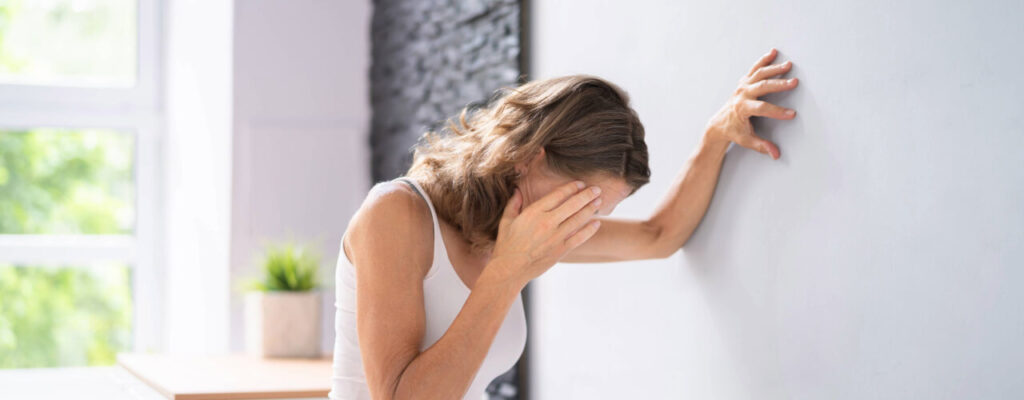
Balance disorders, a complex set of conditions that affect individuals’ stability and spatial orientation, can significantly impact daily life, making simple tasks challenging and increasing the risk of falls. Whether stemming from inner ear disturbances, neurological issues, or muscular weaknesses, understanding the causes and symptoms of balance disorders is crucial in seeking appropriate treatment. Explore the intricacies of balance disorders, including their origins, manifestations, and the role of physical therapy in providing effective management and rehabilitation strategies.
Struggling with balance issues and looking for expert care? Contact our team at Joint Restoration Center in Tulsa, OK today to regain your stability and confidence.
Navigating the Complex World of Balance Disorders
Balance disorders encompass a wide range of conditions, each with its challenges. These disorders can arise from various factors, necessitating a comprehensive approach to diagnosis and treatment.
Symptoms of Balance Disorders
Dizziness or Vertigo
- A spinning sensation or feeling unsteady, often exacerbated by movement.
Falls or a Fear of Falling
- An increased propensity to fall or feeling fearful of falling due to instability.
Visual Disturbances
- Difficulty focusing or tracking objects with the eyes, contributing to disorientation.
Nausea and Vomiting
- Specifically related to vertigo, caused by inner ear disturbances.
Common Causes of Balance Disorders
Inner Ear Problems
- Conditions such as benign paroxysmal positional vertigo (BPPV), Ménière’s disease, and labyrinthitis can disrupt the vestibular system, leading to balance issues.
Neurological Conditions
- Diseases like Parkinson’s, multiple sclerosis, or a stroke can affect the nervous system’s ability to control balance and coordination.
Musculoskeletal Issues
- Weaknesses or abnormalities in the musculoskeletal system, including joint problems and muscle imbalances, can impair stability.
Medications and Aging
- Certain medications and the natural aging process can also contribute to balance difficulties.
Embracing Effective Treatment Strategies for Balance Disorders
Treatment for balance disorders varies widely, depending on the underlying cause, but physical therapy remains a cornerstone in managing and rehabilitating these conditions.
Physical Therapy Interventions
Vestibular Rehabilitation
- Exercises to retrain the vestibular system and brain to process balance information, specifically for inner ear-related balance issues.
Strength and Flexibility Training
- Improving muscle strength and flexibility can enhance overall stability and reduce the risk of falls.
Balance and Coordination Exercises
- Specific training activities that challenge the body’s balance and coordination systems, helping individuals adapt to and manage their balance challenges.
Gait Training
- If your walking pattern is affected, gait training can help improve stability and mobility.
Education and Lifestyle Modifications
- Providing strategies to make the home environment safer, advising on appropriate footwear, and offering tips to reduce fall risk during daily activities.
Taking Control of Balance Disorders
If you or a loved one are experiencing balance disorder symptoms, contact our team at Joint Restoration Center in Tulsa, OK today to learn more about our balance disorder treatment programs and how we can help you or your loved one achieve stability and confidence in navigating daily life.
