

How Physical Therapy Can Help with Rotator Cuff Injuries
Imagine waking up one morning, eager to start your day, but as you attempt to brush your teeth, the pain in your shoulder sends a searing wave of discomfort through your entire arm. Suddenly, the simplest tasks become challenging.
This scenario is all too familiar for individuals dealing with rotator cuff injuries, which can severely limit daily life functions. However, there is hope in the form of physical therapy—a proven and effective way to regain strength, mobility, and overall shoulder function.
At Joint Restoration Center, our physical therapists are highly trained and understand how important resolving your shoulder pain is. We’ll get to the root of your problem and provide clear guidance to help you recover sooner rather than later!
Contact our skilled team of physical therapists today and get started on your road to recovery!
The Impact of a Shoulder Injury
Rotator cuff injuries can disrupt your life in many ways, affecting your physical abilities and overall well-being. Some common limitations and challenges individuals face due to shoulder pain include:
- Painful Movements: Simple actions like reaching for an item on a high shelf, combing your hair, or even tucking in your shirt can become excruciatingly painful.
- Sleep Disturbances: Many people with shoulder injuries struggle to find a comfortable position, leading to disrupted sleep patterns and fatigue.
- Limited Range of Motion: Reduced shoulder mobility can hinder your ability to perform essential tasks, such as putting on a seatbelt or reaching behind your back.
- Loss of Strength: Weakness in the affected arm can make lifting even lightweight objects a daunting challenge.
For those grappling with these challenges, seeking help from Joint Restoration Center can be a game-changer!

A Message from Dr. Christian, DPT
Physical Therapy Solutions for Rotator Cuff Pain
Physical Therapy, in my opinion, is wonderful in that every part of the body can be supported and stabilized with techniques taught by a Physical Therapist. The rotator cuff is no exception.
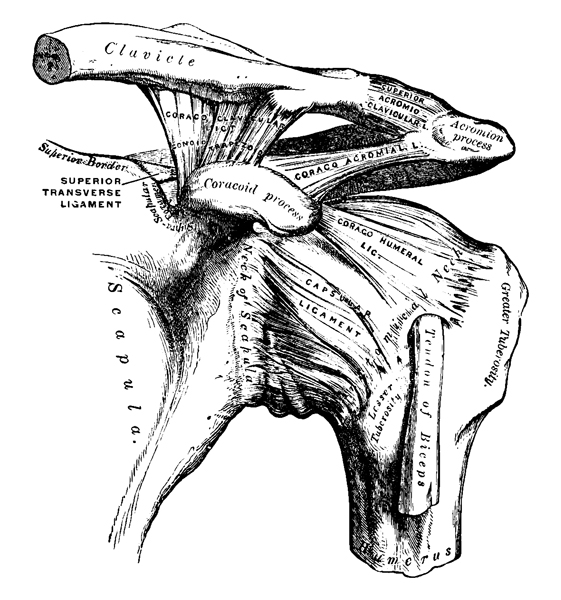
The rotator cuff is a series of muscles whose job is to support the shoulder joint. If you feel a sharp pain when you raise your arm overhead to wash your hair or when you try lifting a heavy object overhead, then there is likely an issue with the rotator cuff muscles. Many people have a concern that they may have “torn” their rotator cuff and they must have surgery. For some, surgery may be the best option. For many others, Physical Therapy will return the shoulder function and pain back to your normal levels. Since the rotator cuff muscles keep the shoulder joint in place, it is very important to ensure that these muscles are firing at the correct time and are strong enough to keep the joint from moving incorrectly.
Physical Therapy is an excellent option to take charge of your shoulder pain without having to undergo extensive surgery and rehab time. I always say that my job is to educate and empower my patients so that if they do have any problems with their pain, they will know exactly what to do to fix themselves! The same goes for shoulders. If you feel ready to tackle your pain, schedule an appointment with our team to have an in-depth analysis of your shoulder pain so we can get to the root of the problem and fix it once and for all!
The Role of Joint Restoration Center in Your Recovery
When you consult a physical therapist for a rotator cuff injury, the initial evaluation is a critical step in the recovery process. Here’s what you can expect:
Your physical therapist will start by discussing your medical history, including the onset and nature of your shoulder pain, any previous injuries, and your overall health.
A thorough physical examination follows, focusing on the affected shoulder. This includes assessing your range of motion, strength, and any signs of inflammation or instability. To understand how your injury impacts your daily life, your therapist will assess your ability to perform essential tasks like reaching, lifting, and dressing.
Based on the evaluation findings, your physical therapist will provide a diagnosis and work with you to establish clear goals for your rehabilitation.
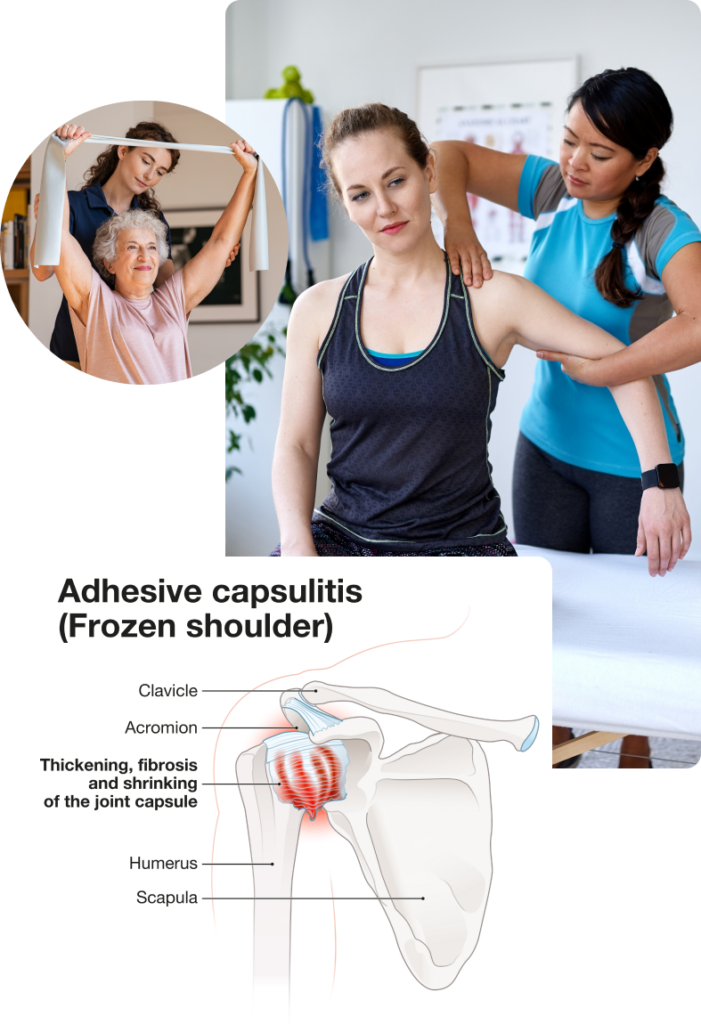
Next, your therapist will design a program tailored to your unique needs, including:
- Manual Therapy: Physical therapists often use manual therapy techniques, including joint mobilizations and soft tissue mobilizations, to alleviate pain and improve shoulder mobility. These techniques have been shown to reduce pain and enhance range of motion in individuals with rotator cuff injuries.
- Therapeutic Exercises: A customized exercise program is a cornerstone of rotator cuff rehabilitation. Therapists prescribe exercises that target specific muscle groups, gradually improving strength and function.
- Home Exercise Programs: Physical therapists provide patients with home exercise programs to promote continuity of care. Consistent adherence to these programs can improve rotator cuff rehabilitation outcomes.
- Patient Education: Understanding the injury and learning how to prevent future problems is crucial. Our physical therapists educate patients about proper shoulder mechanics, posture, and ergonomics to reduce re-injury risk.
As you continue to progress in your recovery, functional training becomes vital. Tasks like lifting, reaching, and carrying are integrated into the rehabilitation program to ensure you regain your ability to perform daily activities without pain or limitation.
Sources:
https://www.ncbi.nlm.nih.gov/pmc/articles/PMC8082254/
https://www.ncbi.nlm.nih.gov/pmc/articles/PMC4827371
Take the First Step Towards Recovery
Your path to regaining strength, mobility, and a pain-free shoulder begins with a simple but crucial step: reaching out to us today!
Don’t wait — start your journey towards recovery today!
Our Patients Get Great Results
“I just love all the staff. They are all so nice!”
– Google 5-Star Review
Exercise of the Month
Shoulder Rotations
Start by standing up straight with your arms by your sides. Raise both arms up so your elbows and armpits are at 90-degree angles with your forearms aiming straight up to the sides of your head. Your upper arms should be parallel with the floor and perpendicular to your body. Rotate your forearms down toward the floor, keeping your elbows where they are. Your palms should be facing behind you at the bottom. Rotate back up. 3 sets, 10 reps, hold.


Feel Better by Eating Better!
Apple Pie Chia Smoothie
Ingredients:
- 1 apple cut into small pieces
- 1 cup almond milk
- 2 tablespoons chia seeds
- 1 tablespoon maple syrup
- ½ teaspoon vanilla extract
- ½ teaspoon cinnamon
- pinch nutmeg and salt
Directions:
Blend all ingredients until smooth; add ice if desired.
Yes, this actually tastes like pie! So drink this instead and save yourself a ton of calories. The chia seeds have plenty of fiber and protein to keep you full until lunch.
Meet the Staff!
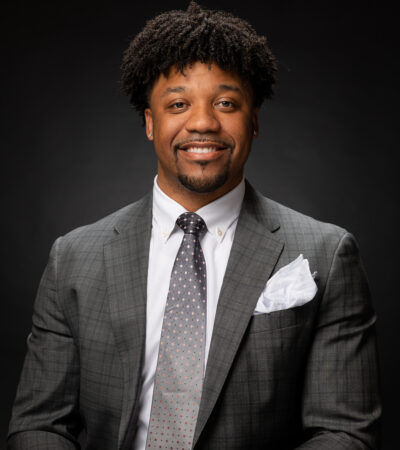
Gary Merriweather
DPT, Cert. DN
How Nutrition Can Help Improve Bone Health
When it comes to improving bone health and density, most people immediately think of resistance training and weight-bearing exercise. But did you know nutrition also plays a key role?
Certain nutrients, including calcium, vitamin D, protein, and more, all contribute to building strong, healthy bones. Eating a diverse diet rich in fruits and vegetables is one of the best ways to ensure you get the nutrients you need. Here are some suggestions to get you started.
Calcium
- Dairy like milk, cheese, and yogurt
- Leafy greens like collards, turnip greens, and kale
- Broccoli and okra
Vitamin D
- Certain types of fish, including salmon and tuna
- Foods that have been fortified with vitamin D (like milk–get your calcium and vitamin D in one go)
Protein
- Nuts, seeds, and legumes
- Fish and chicken
- Dairy products
- Whole grains
Older people sometimes struggle to get the nutrients they need because their appetites decrease. Putting a little more thought into your meal planning can ensure you’re getting everything you require.
The physical therapists at Joint Restoration Center can provide additional guidance on the lifestyle factors that promote good bone health. Schedule an appointment to get started.