



Are You Living With Jaw Pain?
TMJ Could Be The Culprit
Do you suffer from headaches, grinding of your teeth, clicking of your jaw, or even ear pain? You’re not alone! These can all be signs of a condition known as Temporomandibular Joint Disorder (TMJ).
This is a disorder of the jaw muscles and nerves caused by injury to the TMJ (the temporomandibular joint), which is the joint between your jaw and skull. A physical therapist can take a look at your symptoms and help to diagnose you if this is what has been causing your discomfort!
If you’re living with this condition, don’t fret! The skilled physical therapists at Joint Restoration Center are here to help you find true pain relief once and for all. Call our clinic today to get started!
A Message from Dr. Christian, DPT

“Have you ever experienced jaw pain? It is much more common than you would think! Many people wake up every day with a painful clicking/catching in their jaw that makes even the simplest of tasks a real pain. Symptoms of Temperomandibular joint dysfunction (or TMD for short) can make chewing food, yawning, kissing, and even talking very painful. Typically, this type of pain can result from a muscular/postural imbalance in your neck, but often this type of pain can be brought on from stress. Thankfully, research in conservative treatments for TMD have allowed for great pain relief through simple movement-based exercise and light joint mobilizations that you can even do yourself after instruction from a skilled physical therapist. If you are tired of pain in your jaw and want to address it head-on, then schedule an appointment at Joint Restoration Center today!”
Common Causes of TMJ Disorder
According to ChoosePT, TMJ disorder is so common that it currently affects more than 10 million people in the United States. That’s a lot! There are several reasons you may be experiencing symptoms of temporomandibular joint disorder.
Multiple factors contribute to the muscle tightness and dysfunction that characterize this condition. Most often, poor posture and neck alignment change the pull of the muscles that make your jaw move. This causes painful grinding and irritation of the temporomandibular joint.
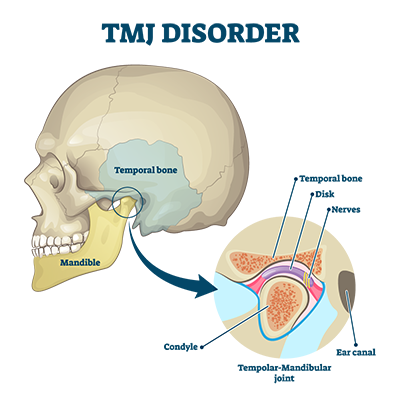
Other causes may include:
- Poor alignment of or trauma to the teeth or jaw (malocclusion)
- Clenching of the jaw (bruxism)
- Lockjaw (trismus)
- Teeth grinding
- Poor posture
- Stress
- Arthritis or other inflammatory musculoskeletal disorders
- Excessive gum chewing
When you see a physical therapist for pain relief for TMJ disorder, they may ask you questions about your daily life, including stressors and chronic conditions that could be causing your pain.
How Can a Physical Therapist
Help with TMJ?
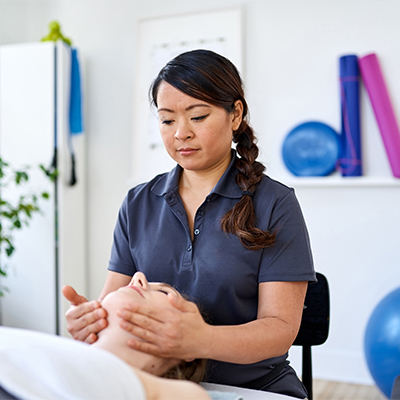
Dentists and orthodontists aren’t the only ones who can treat TMJ disorder. Physical therapists can as well. At your first appointment with Joint Restoration Center, a thorough examination of your neck, shoulders, and thoracic spine will be performed to determine whether those structures are causing your symptoms.
Once the root cause of your problem has been discovered, a comprehensive plan can be developed to quickly relieve your pain and restore natural movement to your temporomandibular joint. Furthermore, our physical therapists will teach you techniques for regaining normal jaw movement for long-lasting results.
Your recovery plan may involve a range of procedures and modalities, such as jaw exercises, soft tissue massage, joint mobilization, myofascial methods, electrical stimulation, and ultrasound. Your PT will also work with you on improving your posture as well since this can contribute to TMJ-related pain.
Sources:
https://www.choosept.com/symptomsconditionsdetail/physical-therapy-guide-to-temporomandibular-joint-disorder
Get Moving Again with Joint Restoration Center!
Don’t let pain dictate your life. Take the first step towards reclaiming your mobility and well-being with our expert support.
Start your journey to a healthier you today.
Feel Better by Eating Better!
Heart Healthy Hummus
Ingredients:
- 2 cans (16 oz each) reduced-sodium chickpeas, rinsed & drained except for 1/4 cup liquid
- 1 tbsp extra-virgin olive oil
- 1/4 cup lemon juice
- 2 garlic cloves, minced
- 1/4 tsp cracked black pepper
- 1/4 tsp paprika
- 3 tbsp tahini (sesame paste)
- 2 tbsp chopped Italian flat-leaf parsley
Directions:
Using a blender or food processor, puree the chickpeas. Add the olive oil, lemon juice, garlic, pepper, paprika, tahini and parsley. Blend well. Add the reserved liquid, 1 tablespoon at a time, until the mixture has the consistency of a thick spread. Serve immediately or cover and refrigerate until ready to serve.
Exercise of the Month
Isometric Lateral Pressure
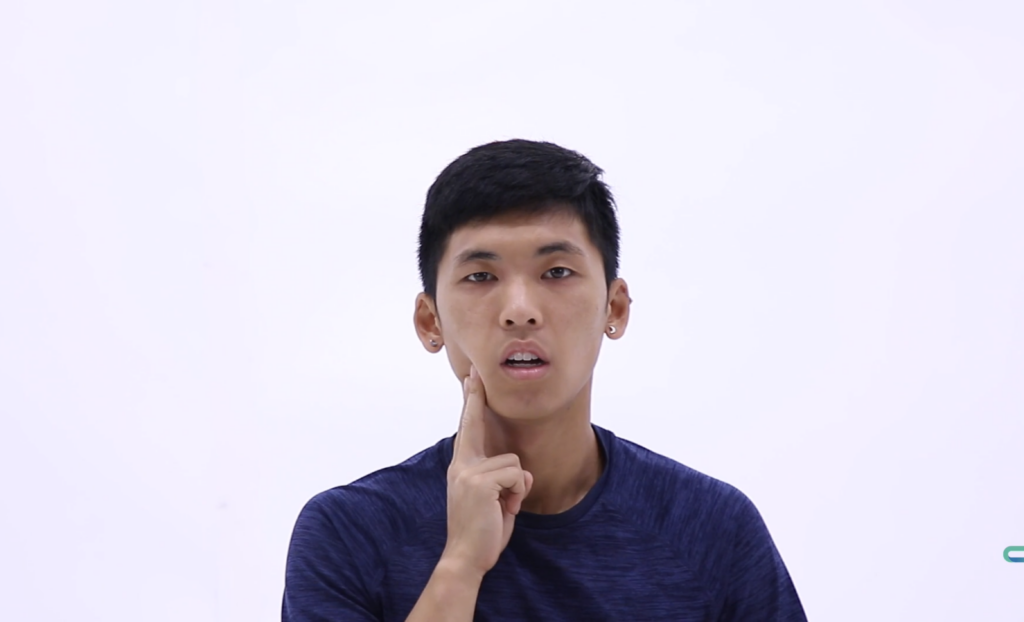
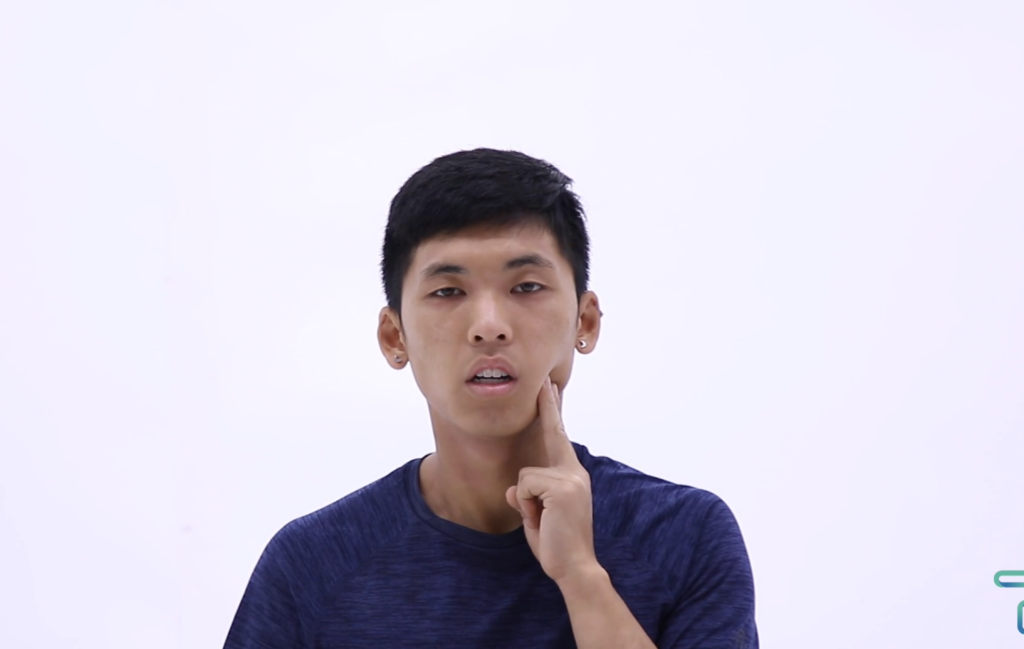
Start by sitting up straight in a chair with your back straight and your head up. Slightly open your mouth so your teeth are parted and place your fingers on one side of your jaw. Press sideways on the bottom of your jaw but do not allow your jaw to move. Hold briefly and then repeat on the other side. Continue as directed by your provider. Repeat 3 sets, 5 reps, 5-second hold.

Our Patients Get Great Results
“I love how they treat their patients. They always have a smile when you get greeted and are always on time for your appointment with hardly no waiting. I’m very happy with my physical therapist. Thank you!”
– Google 5-Star Review
Meet the Staff!

Gary Merriweather
DPT, Cert. DN