
How Physical Therapists Assist with Injury Prevention
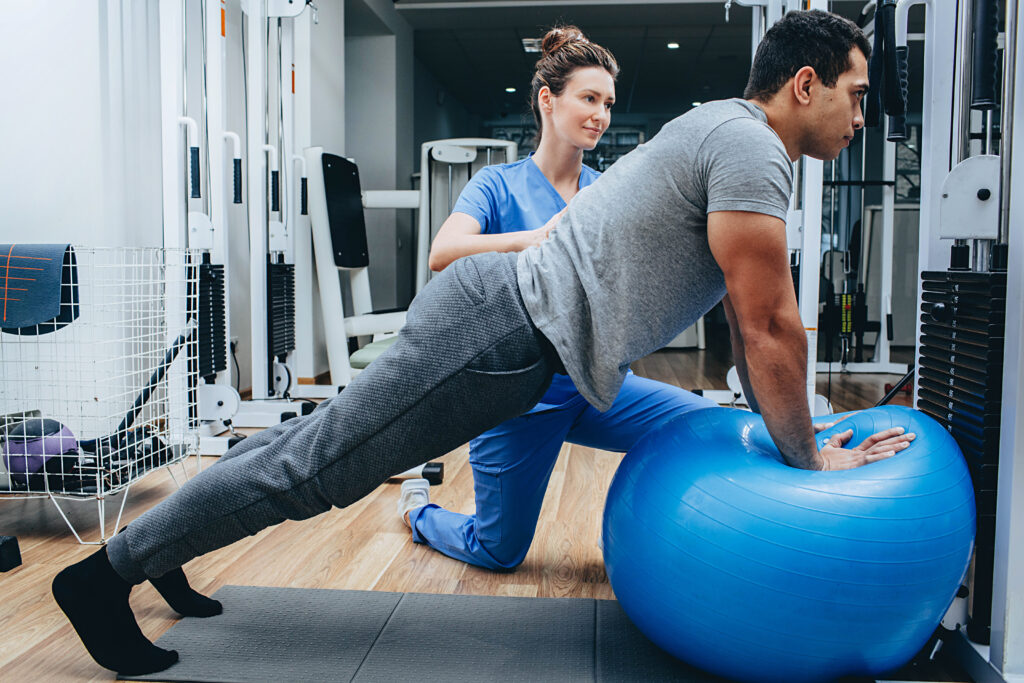
A physical therapist plays a crucial role in injury prevention, particularly in sports that involve lateral movements. Lateral movements, such as cutting, pivoting, and side-stepping, can put significant stress on joints, especially the knees, and increase the risk of injuries.
At Joint Restoration Center in Tulsa, OK, our physical therapists are expert movement specialists who will help you in injury prevention.
How Joint Restoration Center in Tulsa, OK Can Help Prevent Injuries
- Assessment and Screening: Physical therapists can conduct thorough assessments and screenings to identify areas of weakness, imbalance, or movement dysfunction. This can involve analyzing an athlete’s biomechanics, joint stability, muscle imbalances, and movement patterns specific to lateral movements.
- Customized Exercise Programs: Based on the assessment, physical therapists can design individualized exercise programs that focus on improving muscle strength, flexibility, and balance. These programs may include exercises targeting specific muscle groups that support the joints involved in lateral movements.
- Muscle Balance: Proper muscle balance is crucial for stabilizing joints during lateral movements. Physical therapists can help athletes strengthen muscles that are often overlooked, promoting balanced muscle development around the joints. For instance, strong quadriceps and hamstrings can help stabilize the knees during cutting and pivoting motions.
- Neuromuscular Training: Physical therapists can incorporate neuromuscular training into an athlete’s routine. This involves exercises that challenge an athlete’s proprioception, coordination, and reflexes to improve their ability to control movements and respond to unexpected situations, reducing the risk of injury.
- Biomechanical Corrections: Physical therapists can analyze an athlete’s movement mechanics during lateral movements and provide guidance on proper techniques. Correcting faulty movement patterns can reduce the stress on joints and decrease the likelihood of injury.
- Education: Educating athletes about the importance of proper warm-up, cool-down, stretching, and recovery strategies is essential. Physical therapists can guide athletes on how to incorporate these practices into their routines to enhance injury prevention.
Statistics on Adolescent Athletes and Knee Injuries
Adolescent athletes, especially those involved in sports with lateral movements like soccer, basketball, and football, are at a higher risk of knee injuries. According to various studies:
- The American Academy of Orthopedic Surgeons reports that over 3.5 million children and adolescents under the age of 14 receive medical treatment for sports injuries each year.
- The Centers for Disease Control and Prevention (CDC) states that high school athletes alone account for an estimated 2 million injuries, 500,000 doctor visits, and 30,000 hospitalizations each year.
- The anterior cruciate ligament (ACL) injury, a common knee injury, is more prevalent among adolescent female athletes, with studies suggesting that they are two to eight times more likely to suffer from ACL injuries compared to their male counterparts.
Incorporating Proper Muscle Balance
For athletes engaging in sports with lateral movements, maintaining proper muscle balance is essential for joint stability. Some muscle groups that need focus include:
- Quadriceps and Hamstrings: Balanced development of these muscle groups helps stabilize the knee joint during lateral movements.
- Hip Abductors and Adductors: Strengthening these muscles supports lateral movement control and stability.
- Core Muscles: A strong core helps maintain overall body stability, reducing stress on joints during dynamic movements.
Are you looking to prevent injuries to keep you in the game?
In conclusion, physical therapists play a vital role in injury prevention for sports involving lateral movements, especially among adolescent athletes who are prone to knee injuries. Through assessments, tailored exercise programs, muscle balance training, and biomechanical guidance, physical therapists can help athletes enhance their strength, flexibility, and movement mechanics, ultimately reducing the risk of sports injuries.
Contact Joint Restoration Center to learn more about how we can help you with injury prevention, and schedule an appointment to start the journey today!
