

Managing Lymphedema with Physical Therapy
Madeline (not her real name) was 35 when she beat breast cancer. After a few years of radiation therapy and a surgical intervention, her cancer was gone. Unfortunately, she had to learn to manage a new condition: lymphedema.
Lymphedema is a disorder of the lymphatic system that causes a backup of lymphatic fluid in the upper or lower extremities. Madeline technically developed secondary lymphedema, as it was caused by the impact her cancer treatment had on her lymph nodes.
While lymphedema has no cure, there are steps you can take to reduce and manage your symptoms–which is why Madeline turned to the team at Joint Restoration Center. We created a customized treatment program that combined gentle exercise, lymphatic therapy, compression garments, and other strategies so Madeline could live a full, healthy life.
Living with lymphedema can be a challenge. Fortunately, our physical therapists have extensive experience helping people like Madeline manage their condition. If you or someone you love is struggling with lymphedema, call our clinic to learn more about how we can help.
Understanding Lymphedema: Symptoms and Causes
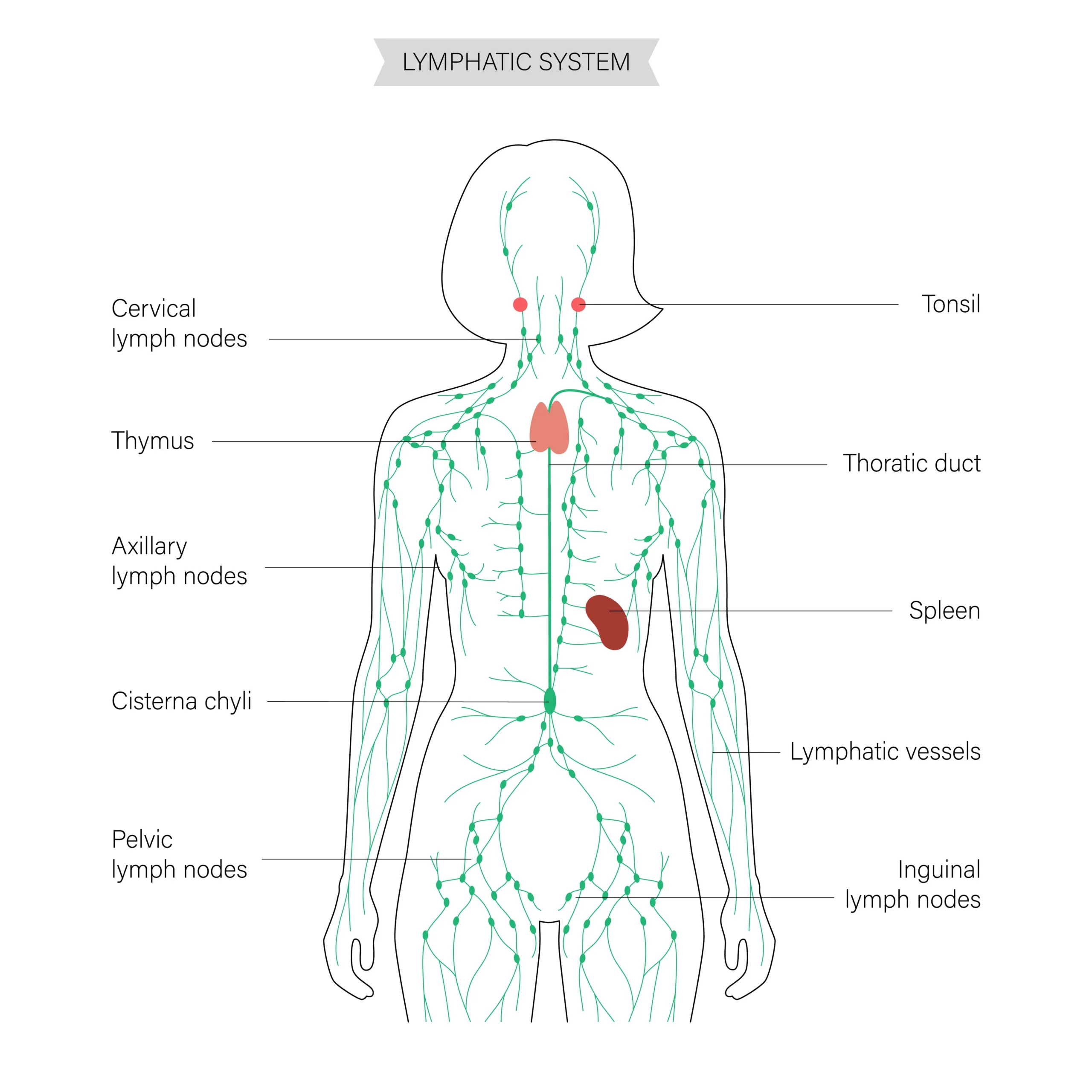
Your lymphatic system is a bit like your body’s sewage system. Your cells create waste fluid called lymph, which your lymphatic system circulates into your lymph nodes, where it can be processed.
When someone develops lymphedema, lymph builds up in their lymphatic vessels, typically in the arms or legs. This results in several signs and symptoms in the affected area, including the following:
- Swelling
- A sense of heaviness or weakness
- Tingling or aching sensations
- Restricted mobility
- Tight, rigid, or thick skin
- Repeated infections
There are two categories of lymphedema, each with different causes:
Primary Lymphedema
- Primary lymphedema develops independently, and its causes aren’t totally understood. However, it is relatively rare.
Secondary Lymphedema
- Most people with lymphedema have secondary lymphedema, meaning it develops due to another condition. In most cases, secondary lymphedema develops after cancer treatments that impact the lymph nodes, including surgery and radiation therapy. While we often hear about it in relation to breast cancer, it does develop after other types of cancer, too.
Addressing Lymphedema with Physical Therapy: What to Expect
If you develop lymphedema, it’s essential to manage your symptoms. Chronic swelling can put you at risk for several issues, including circulation problems and a higher likelihood of infection. Managing that swelling can help improve your overall mobility so that you can remain active and independent.
An In-Depth Assessment
We always start with a comprehensive exam to understand your unique needs and goals. We’ll take a complete health history and evaluate the severity of your symptoms, including testing your range of motion and assessing your swelling levels.
This information helps us create a truly customized treatment program that works for you.
The Basis of Our Treatment Program
Almost all of our lymphedema treatment programs incorporate the following two techniques:
Manual Lymphatic Drainage
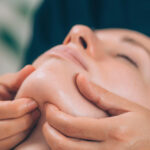
- This hands-on technique encourages lymph to move through the lymphatic system, decreasing swelling and helping the system work properly. We start with relaxation techniques and lightly massage the lymphatic vessels over your skin to get the lymph flowing.
Light Therapeutic Exercise
- Gentle exercise also encourages lymphatic drainage. We’ll create a personalized program that targets your affected limbs with gentle muscle activation exercises to help improve mobility and range of motion.
Additional Treatment Methods
In some cases, our physical therapists might suggest some additional lymphedema treatment methods, such as the following:
Compression Therapy
- Compression therapy involves using specialized sleeves, stockings, or bandages to apply pressure to the affected area and help prevent lymph buildup. We can help you select the right compression wrapping for your needs, ensure it fits properly, and provide guidance on using it correctly.
Self-Management Techniques
- Several self-management strategies, including relaxation techniques, elevating the affected limb, and more, can help alleviate lymphedema symptoms when you’re not in our clinic. We’ll help you find the right ones for your needs.
Complete Decongestive Therapy
- This intensive, comprehensive approach blends several different treatment techniques to manage symptoms and reduce complications:
- Manual lymphatic drainage
- Therapeutic exercise
- Compression therapy
- Skin and nail care
- Self-management strategies
A Personalized Approach to Lymphedema Care
No matter your needs, the team at Joint Restoration Center will find the best treatment options to address your needs. Schedule an appointment with us today to get started!
Sources: https://www.ncbi.nlm.nih.gov/books/NBK537239, https://www.sciencedirect.com/science/article/abs/pii/S0003999321013587, https://www.physio-pedia.com/Complete_Decongestive_Therapy_(CDT)

Feel Better by Eating Better!
Oatmeal Pancakes With Cinnamon Apples
1 1⁄2 cups buttermilk
3⁄4 cup instant rolled oats
3⁄4 cup whole wheat flour
2 Tbsp milk
1 Tbsp melted butter
1 1⁄2 tsp baking powder
1⁄2 tsp baking soda
Pinch of cinnamon (plus 1⁄8 tsp for the apples)
Pinch of nutmeg
1 Granny Smith apple, peeled, cored, and chopped
1⁄2 cup apple juice
Butter or cooking spray
In a large bowl, mix the buttermilk, oats, flour, milk, butter, baking powder, baking soda, cinnamon, and nutmeg. Let it rest. In a small saucepan, simmer the apple, apple juice, and cinnamon until the apple softens and the liquid thickens. Preheat the oven to 200°F. Heat a skillet over medium heat and add butter or cooking spray before each round. Scoop 1⁄4-cup portions of batter, spreading into thin circles. Cook 2-3 minutes per side. Keep pancakes warm in the oven. Serve with warm apples.

Don’t Let Your 2024 Insurance Benefits Go To Waste!
Take charge of your health today and make the most of your insurance benefits!
If you’ve already met your deductible this year or have funds left in your HSA account, you can take advantage of our remarkable opportunity at Joint Restoration Center. Don’t let these valuable benefits go unused!